
This post is part of a content partnership with Compression Care. No commissions are earned on links.
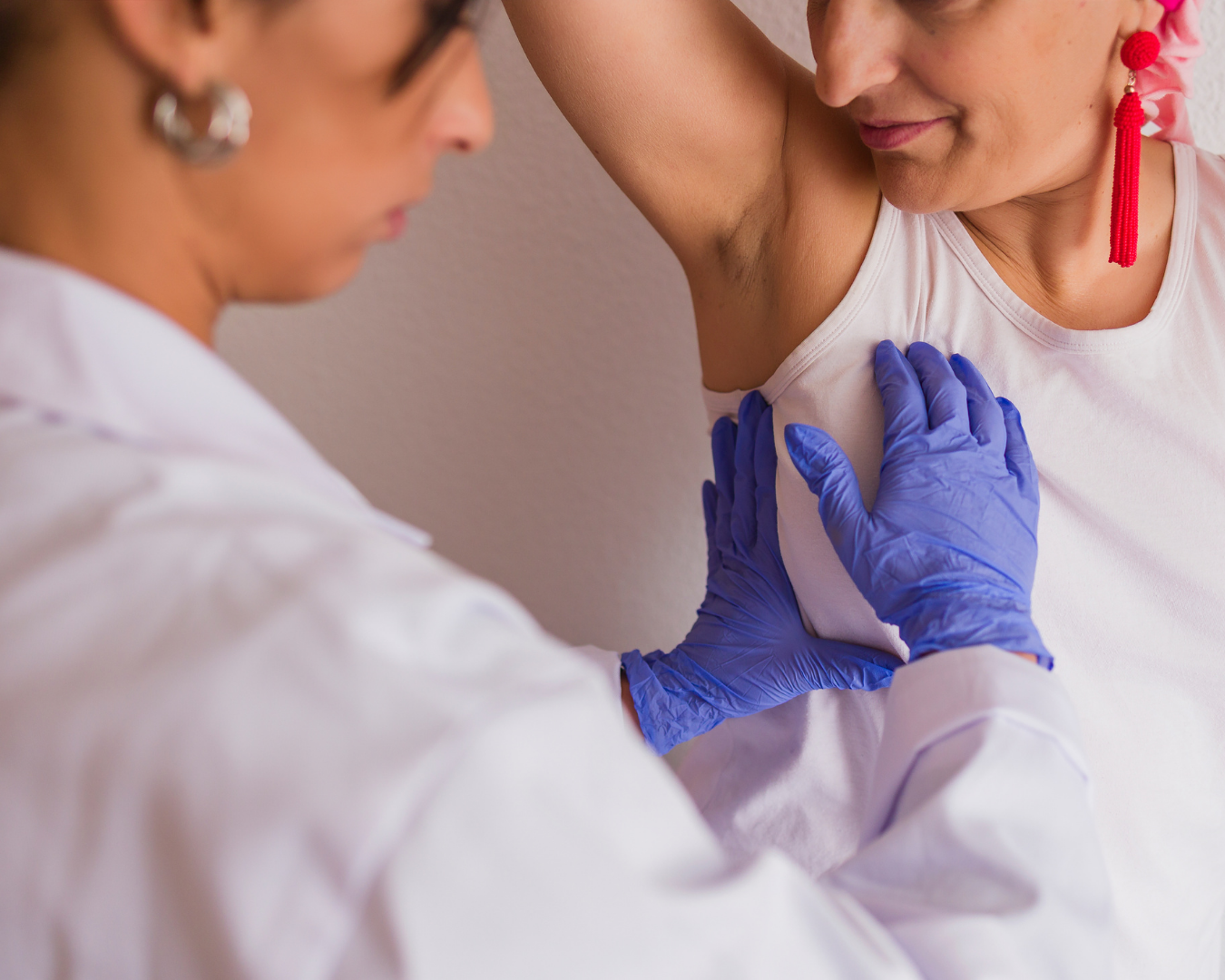
Breast fibrosis is a common side effect of breast cancer treatment, yet it rarely gets the attention it deserves. If your breast or chest feels tight, thick, or stiff after radiation or surgery, or along with swelling, fibrosis may be the cause.
Although fibrosis can cause discomfort and make daily tasks difficult, but it can often be softened over time, and the right compression can provide relief. The tricky part is finding the right compression for your needs. In this blog post, you’ll learn what fibrosis is, how compression helps, and which options may work for you.
Why Fibrosis Gets Missed
Most breast cancer survivors hear about lymphedema during treatment because it’s a common side effect of surgery and radiation therapy. Many can recognize it because the swelling is easy to see and measure. Fibrosis is different. You usually feel it before you can see it, as a firm or tight area under the skin that can be uncomfortable.
Fibrosis most often develops after radiation therapy or surgery, or when lymphedema affects the breast and chest tissue. Fibrosis can show up months or even years after treatment ends, which is one reason why it can be missed. Many people assume a new symptom could not be related to treatment they finished long ago.
What Is Happening in Your Tissue
Radiation damages healthy tissue, and your body responds by making collagen to repair it. Collagen is a tough protein that acts like scar tissue. Radiation also irritates the tiny blood vessels and surrounding tissue, so your body keeps making collagen long after treatment ends. Over time, the extra collagen builds up into dense, stiff bands that are less stretchy than the tissue was before.
Fibrosis usually develops slowly. You may not notice it until the area feels different from the surrounding tissue. If you also have lymphedema, fluid trapped in the tissue can worsen fibrosis over time if the swelling isn't managed.
Think of fibrosis as a change in the tissue itself. Stretching alone usually is not enough to fix it, although gentle movement is still an important part of care. That is why compression and hands-on treatment from a certified lymphedema therapist (CLT) work so well together. Progress tends to be gradual. Tissue that took months or years to stiffen will not soften overnight. Consistency matters more than intensity, so it’s best to wear the right compression regularly, even when nothing seems to change from week to week, rather than use something stronger only occasionally.
What Can Help
Compression is one of the tools that often helps with breast fibrosis, but the best type depends on your unique situation. The following questions are good to think about on your own and also to talk through with your CLT.
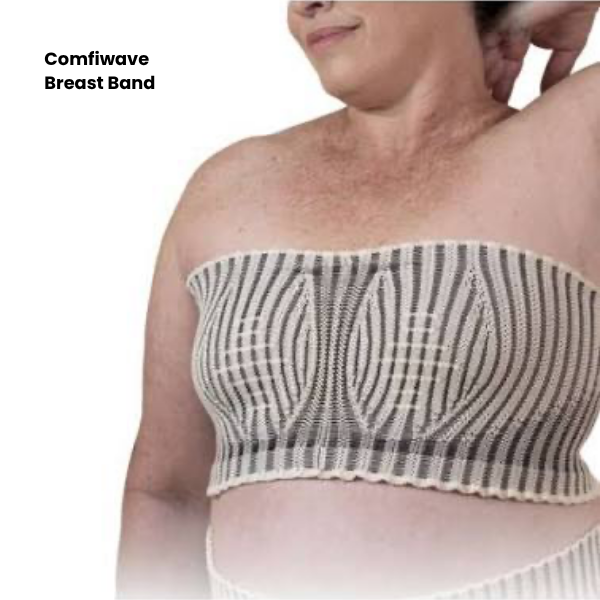
Does the firmness get worse overnight?
If your tightness or swelling gets worse overnight, a soft, breathable garment made for sleeping may help the most. The Comfiwave breast band is designed for this. Its wave knit fabric creates gentle, steady pressure without feeling too tight to sleep in. The overnight compression continues to work while you sleep. You can also wear the Comfiwave breast band during the day for gentle, all-day support.
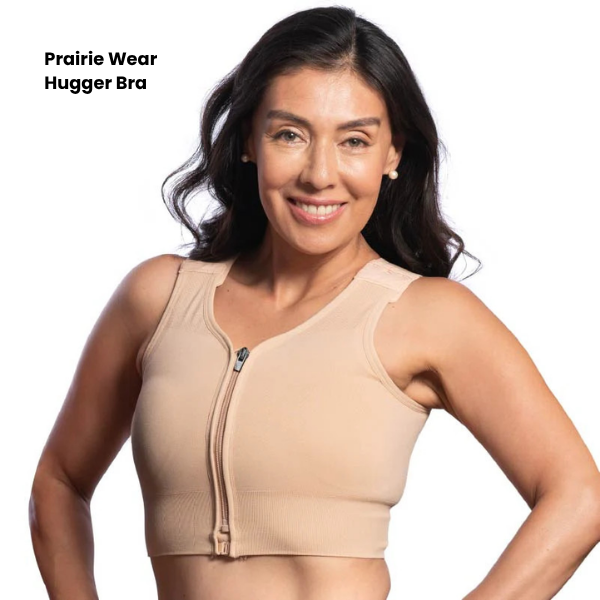
Do you need more support?
Beyond managing the fibrosis itself, if you are healing from surgery, managing lymphedema, dealing with tight scar tissue, or simply feel better with more support, a compression bra made specifically for lymphedema and breast cancer recovery is a good place to start. The Prairie Wear Hugger line is designed to be worn day and night, with no wires or seams that can bother sensitive tissue. Its mapped compression zones apply targeted pressure to different areas for optimal compression and fluid flow. These bras are designed to support breast cancer survivors throughout their journey.
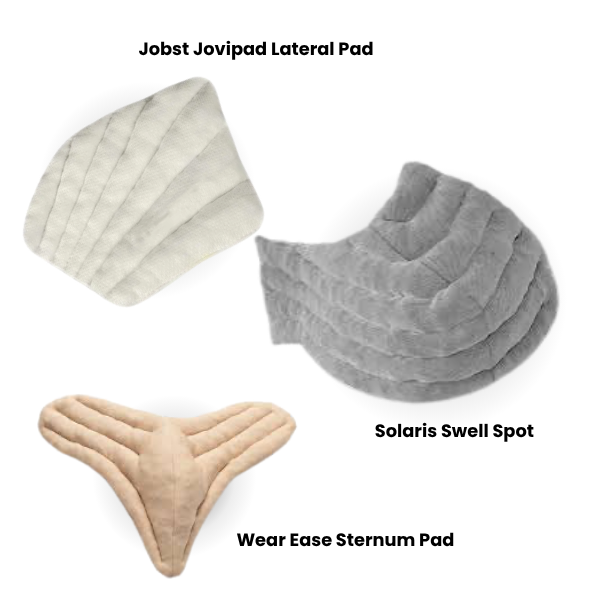
Is the fibrosis in one specific spot?
A garment alone may not reach a small, dense area of tightness. This is where foam pads come in. These pads sit under a compression garment or inside the pocket of a compression bra, and the foam creates extra pressure right where the tissue is firmest. Pads come in many shapes and sizes so that you can match the pad to your needs. For example, a pad made for the side of the chest may not help fibrosis under the breast, and a pad made for under the breast may not help fibrosis along the side of the chest.
Do you need more than one compression option?
Garments and foam pads can be used together, and for more significant fibrosis, layering them often works better than choosing just one. For example, you can wear the Comfiwave breast band under a Prairie Wear compression bra, or a foam pad under either. This gives you the band's softening effect and the bra's targeted coverage at the same time. There is no rule that says you have to pick only one product, and the best plan often changes throughout the day.
Compression Safety
Compression should feel snug, but never painful. Check your skin, especially if you had radiation, because treated skin can be more fragile. Remove the garment and call your care team if you have more pain, numbness, tingling, skin color changes, open or broken skin, or increased swelling. Please also talk with your care team before starting a new product if you have an infection, open skin, or severe swelling.
See a Certified Lymphedema Therapist
Compression works best alongside hands-on care, not in place of it. A certified lymphedema therapist, or CLT, is trained in hands-on techniques that help soften hard tissue and move fluid. These may include manual lymphatic drainage, fibrosis techniques, and scar tissue mobilization. A garment cannot do these things on its own.
A CLT can also assess your symptoms and recommend which garment and pad fit you best. Fibrosis looks different from person to person. It varies in severity, location, and how your tissue responds to pressure. If you do not have a CLT yet, ask your oncologist or surgeon for a referral. Hands-on care, exercise, and the right compression together work better than any one alone.
Next Steps
Work with a CLT near you. These directories can help you find one:
• Lymphology Association of North America (LANA): https://www.clt-lana.org/therapists
• Academy of Lymphatic Studies (ACOLS): https://www.acols.com/find-therapist/
• Dr. Vodder School International: http://vodderschool.com/contacts/therapist
• Klose Training: http://klosetraining.com/therapist-directory/
• Norton School of Lymphatic Therapy: http://www.nortonschool.com/therapistreferrals_form.html
Explore the compression options described above to find what works best for you.
Shop compression options through Compression Guru: compressionguru.com
Healthcare providers can order through Compression Care: compressioncare.com
