
Compression Garments That Keep You Cool in the Heat
This post includes links to Compression Care and Compression Guru as part of a content partnership. These are not affiliate links, and I do not earn a commission from purchases made through them.
Being hot is one of the more common reasons people with lymphedema give for skipping their compression garment. It can be difficult to "just wear your compression garment" when you feel overheated. Between summer weather, hot flashes, and simply running warm, most people with lymphedema eventually reach a point where their garment starts to feel like something to fight against rather than something that helps.
The good news is that garment technology has expanded enough that "which one works for me" is now a better-answered question, not just a matter of tolerating discomfort. The right choice usually comes down to a few specific factors related to your lymphedema and daily routine. This blog post reviews advancements in cooling technology for compression garments to help you stay more consistent with compression, even with the heat.
Why Heat Makes Compression Feel Harder to Manage
There's a physiological reason heat and lymphedema don't mix well, and it's not just about comfort. When your body heats up, blood vessels near the skin widen (dilate) to release heat, increasing blood flow to the skin's surface and underlying tissues. This increases the amount of fluid moving into the tissue, adding to a lymphatic system that may already be struggling to keep up.
In other words, heat doesn't just make your garment feel less tolerable. It can increase the amount of work your lymphatic system has to do at the exact moment your compression feels hardest to keep on. That combination is part of why so many people end up taking a garment off right when it matters most.
This isn't limited to summer weather. Hot flashes related to menopause or cancer treatment can trigger the same response, often more suddenly and intensely, which is part of why they tend to be such a common disruption to a consistent compression routine.
What to Consider Before Choosing a Garment
Compression garments have started incorporating temperature management into their engineering, not as an afterthought but as part of the design itself. Several different approaches exist, and which one may be best for you usually comes down to a few factors:
Stage of lymphedema. Earlier-stage lymphedema and more advanced lymphedema or fibrosis often require different levels of support and garment types.
Daytime versus nighttime needs. Some garments are built for active daytime wear, others for nighttime support when the muscle pump isn't helping move fluid.
Skin sensitivity. Some garment materials and closures are gentler on sensitive skin than others.
Activity level and routine. How much you're moving during the day and how easily you need to get a garment on and off both factor into which construction works best.
If You Need Daytime and Nighttime Support in One Garment
Non-elastic compression garments with layered, moisture-wicking construction can work well here.
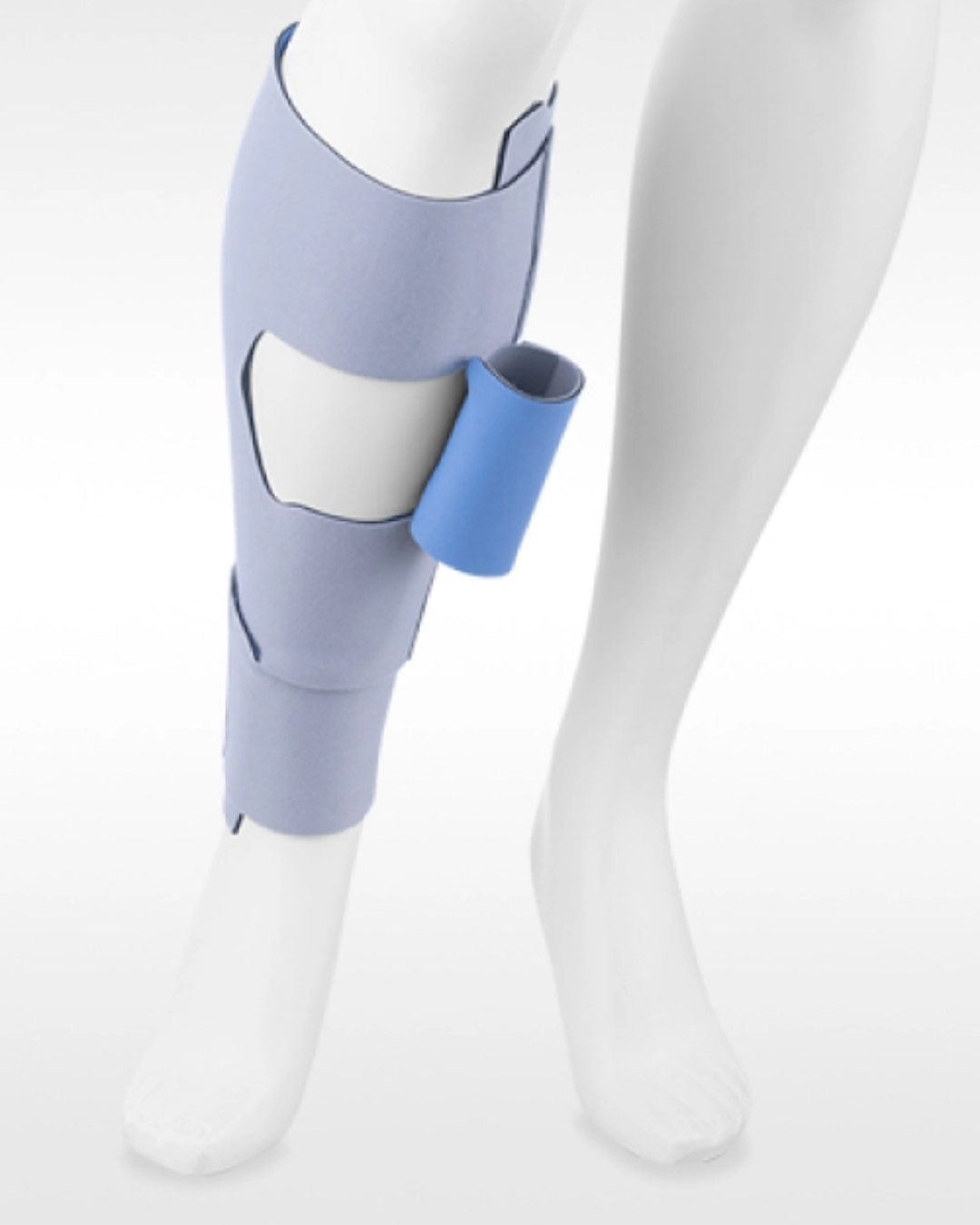
Juzo Cooling Compression wraps, for example, layer three functions together. The inner layer wicks moisture off the skin, the middle layer uses ventilated foam so air keeps moving instead of getting trapped, and the outer layer is built from cooling-infused fibers with heat-dissipating minerals woven in.
These wraps use Velcro tabs to provide firm, adjustable pressure on the limb, and because they're non-elastic, they can be worn during the day and at night without needing to switch garments. Additionally, if you have thin or fragile skin, non-elastic garments are a good option since they don't require sliding or friction across the skin to get them on and off.
If You Need Nighttime- or Fibrosis-Specific Support
Foam garments are typically recommended for people who need lymphedema management specifically at nighttime, especially those with more advanced lymphedema or fibrosis who need continued support when they're less active. The foam within the garment helps to gently soften fibrosis and reduce swelling.
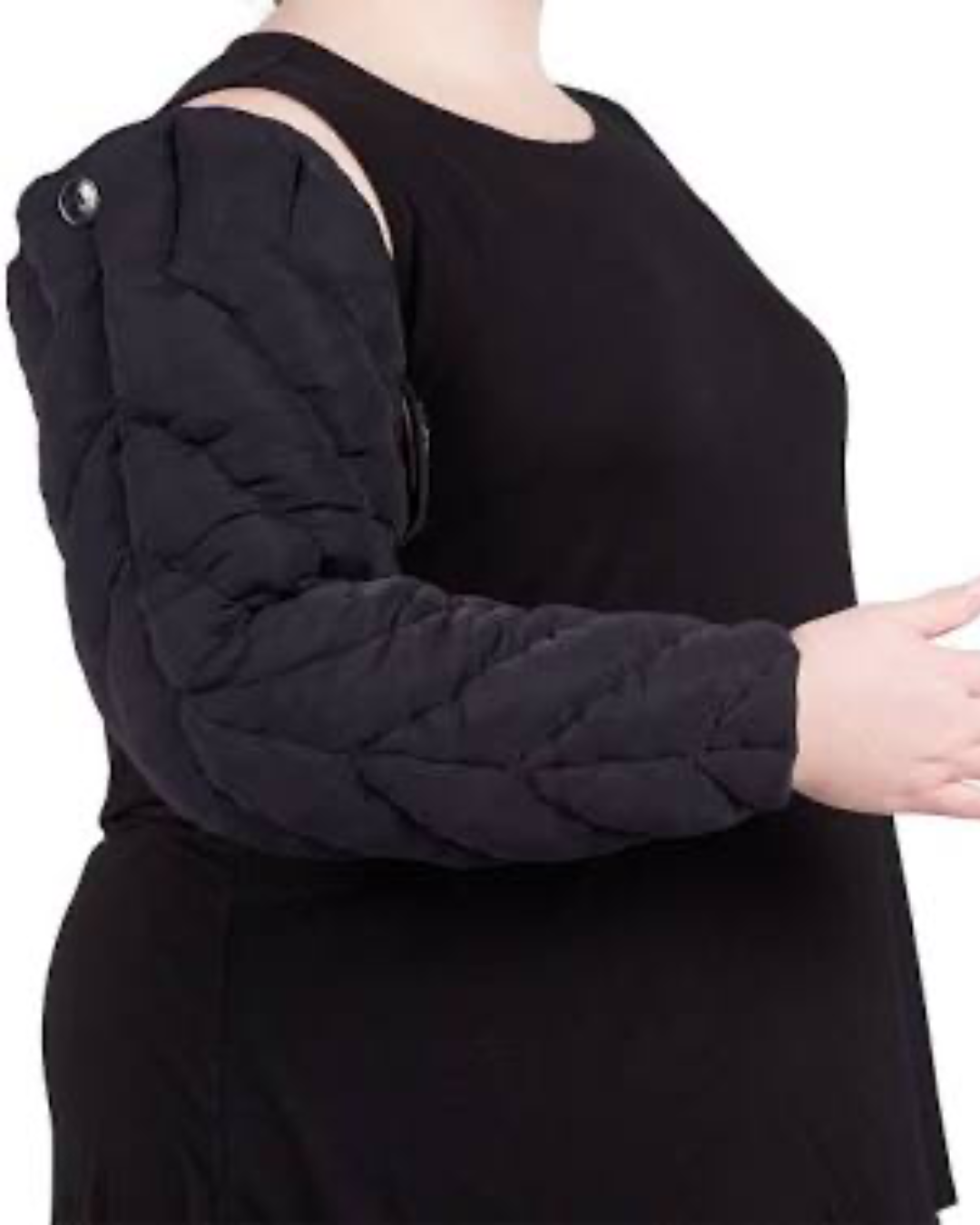
Newer foam garments, like the Circaid Profile arm sleeve, integrate cooling construction and fabric directly into the garment, creating a fit that's supportive and breathable. The brrr® fabric helps keep you cool during extended wear and the foam also enhances circulation, so you get comfortable, therapeutic compression throughout the night. These are available for arms and legs.
If You Want Less Bulk
Traditional elastic compression garments work by stretching and providing support around the limb, which is effective for pressure, but these materials are often not very breathable. Wave-knit fabric takes a different approach. Rather than relying on elastic tension, the knit pattern itself generates the pressure. That structural difference is what frees up airflow and cuts bulk, without losing the therapeutic effect.
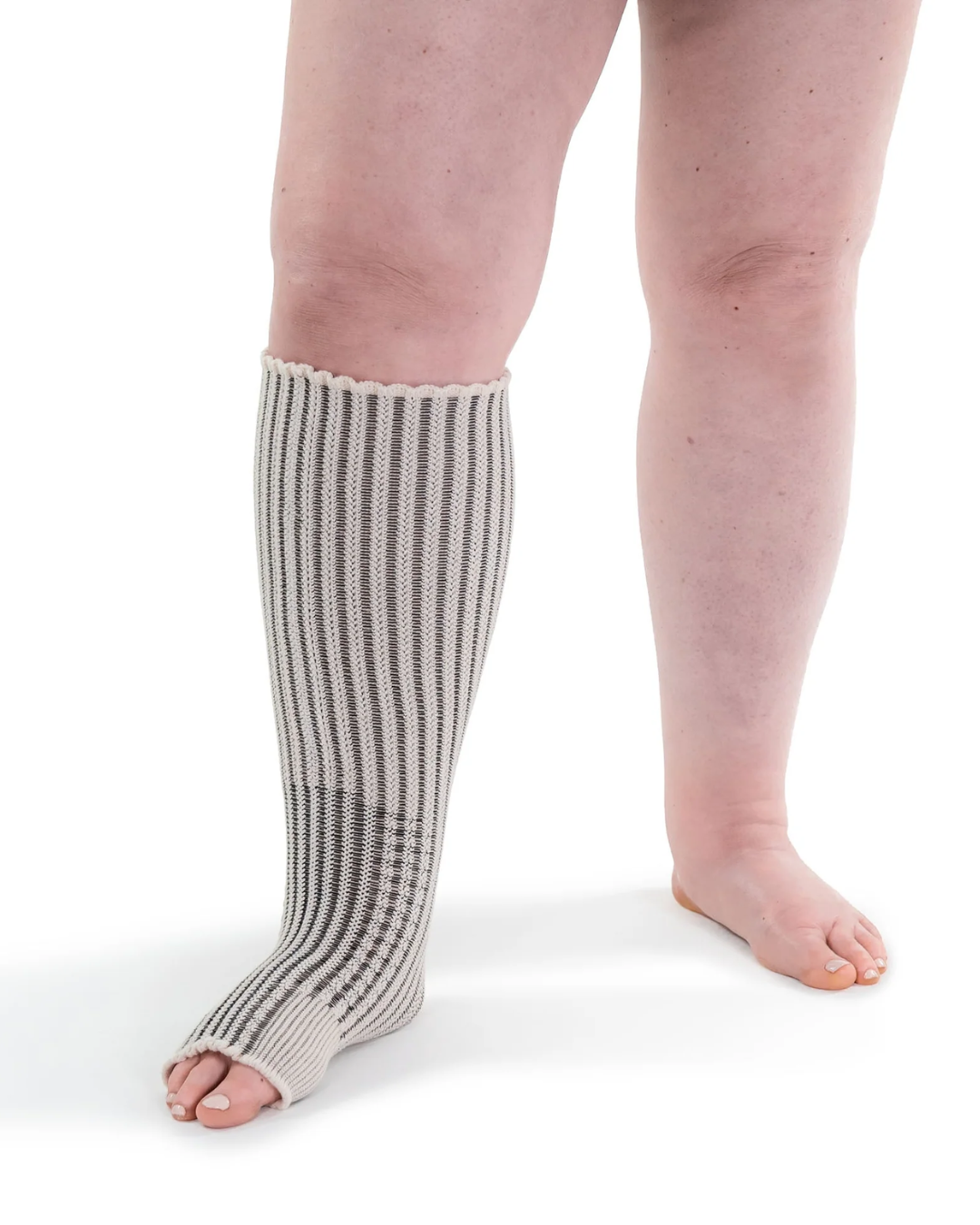
The Comfiwave uses soft organic cotton in a wave pattern that leaves grooves on the skin to help soften tissue, including fibrosis, and support lymphatic drainage, making it suitable for both early and advanced lymphedema. With 3D knit technology, the garment provides targeted, comfortable pressure. These are available for different areas of the body including your arm, leg, trunk, breast/chest, and neck.
Making the Decision
None of these options guarantee you won't feel warm in compression. Heat tolerance and lymphedema presentation are both individual, and what works well for one person may not be the right fit for another. But if heat has consistently been the reason you fall off your compression routine, it's worth exploring whether a different type of garment could help.
A few questions worth thinking through, or bringing to your next appointment with a certified lymphedema therapist:
Does the heat mostly hit you during the day, at night, or both? This matters since daytime and nighttime garments are built to solve different problems.
Is your skin sensitive to certain fabrics or closures? Some materials and Velcro-style closures are more forgiving than others.
Are you dealing with fibrosis alongside your lymphedema? Foam-based and wave-knit options may offer added benefit beyond just temperature control.
How much are you willing to adjust your routine? Some garments are easier to get on and off quickly, which matters if you're managing compression around a demanding schedule.
Talk with your certified lymphedema therapist about which of these approaches fits your specific presentation and garment needs. They can help you weigh these factors and adjust as your needs change.
You can explore these cooling compression options, and more, at Compression Guru.
Healthcare providers looking to order cooling compression options for patients can do so through Compression Care.
