
Exercise During and After Cancer Treatment: What's Safe and Effective
If you’ve been diagnosed with cancer, whether you’re in active treatment or beyond it, you may be wondering whether exercise is safe for you and how to return to movement in a way that supports your body.
Cancer and its treatments can affect nearly every system in the body, including muscles, nerves, bones, the lymphatic system, and the gut. While rest is sometimes necessary during active treatment, avoiding movement altogether during and after treatment can lead to weakness, stiffness, fatigue, and other challenges.
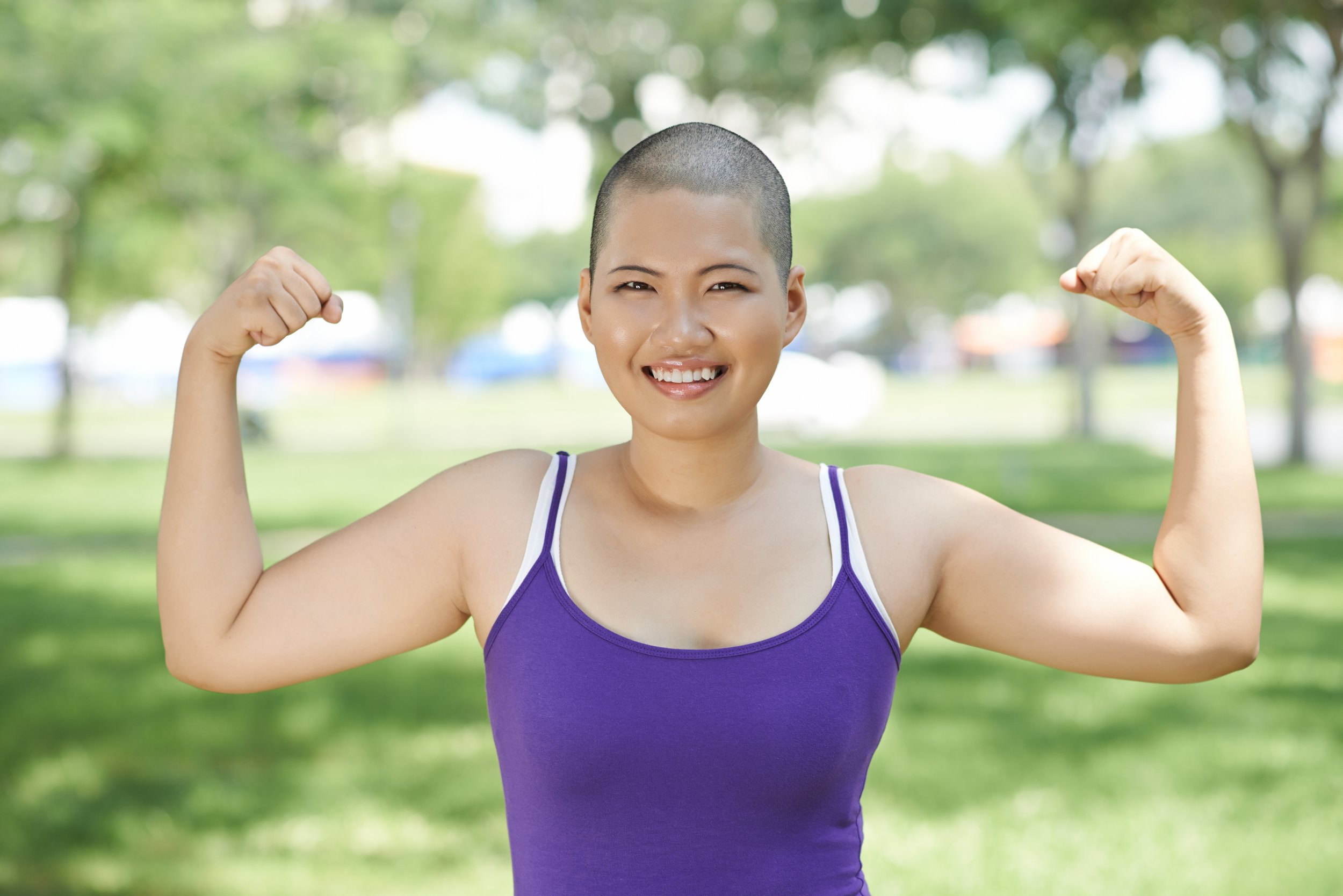
The good news is that exercise, when done progressively and safely, can be one of the most helpful tools during and after cancer treatment. This blog post explains why exercise matters, what types of exercise are supported by evidence, how movement helps common cancer-related side effects, and when working with an oncology rehabilitation physical therapist or occupational therapist is especially important.
Why Exercise Matters During Cancer Treatment
Exercise during cancer treatment may feel counterintuitive, especially when energy is low or side effects are intense. However, research and clinical experience show that appropriate exercise during treatment can help people maintain function and reduce the impact of treatment-related side effects.
During treatment, many people experience fatigue, muscle loss, reduced endurance, stiffness, and changes in balance. Even small amounts of movement can help slow these changes and support independence with daily tasks such as climbing stairs or standing up from a chair.
Exercise during treatment has also been shown to help with cancer-related fatigue, mood changes, and sleep quality. For many people, consistent movement helps restore a sense of control during a time when so much feels uncertain.
Exercise during treatment does not need to be intense or time-consuming. Short walks, light strength or bodyweight exercises, and gentle mobility work can make a meaningful difference when matched to how the body feels that day.
Why Exercise Matters After Cancer Treatment
Finishing cancer treatment does not always mean the body feels “back to normal.” Many survivors continue to experience weakness, pain, fatigue, balance problems, or reduced endurance months or even years later.
Exercise after treatment supports long-term recovery by helping rebuild strength, improve cardiovascular health, and restore movement confidence. Regular physical activity is also linked to better mental health, including reduced symptoms of depression and anxiety, and improvements in sexual health.
There is also growing evidence that exercise may help reduce long-term health risks after cancer, such as heart disease, bone loss, and physical decline. In some cancer types, physical activity has been associated with improved survival outcomes and decreased risk of recurrence. Exercise is not a cure, but it is a key component of long-term survivorship care.
For many survivors, exercise marks the transition from “treatment mode” to rebuilding routines and activities that matter.
How Much and What Type of Exercise Is Best for Cancer Survivors?
Exercise for cancer survivors is not one-size-fits-all. Evidence-based guidelines, including those from the American College of Sports Medicine, support a balanced approach that includes several types of movement.
Aerobic exercise, such as walking, cycling, or swimming, supports heart health, endurance, and fatigue management. Strength training helps rebuild muscle, improve bone health, and support daily activities. Flexibility and mobility work help maintain joint range of motion and reduce stiffness. Balance training is especially important for individuals with weakness, neuropathy, or increased fall risk.
Here’s a breakdown of what’s recommended:
Strength training: 2 days per week, 2 sets of 8-12 repetitions for large muscle groups, moderate to vigorous intensity
Aerobic training: 3 days per week, 150 minutes of moderate intensity or 75 minutes of vigorous intensity, or a mix of the two
Flexibility: 2-7 days per week
The goal is not to do everything at once. Many people benefit from starting with short, manageable sessions and gradually building over time. Exercise can also be broken into smaller bouts, such as 5 or 10 minutes at a time, and adapted based on symptoms.
How Exercise Helps Common Cancer-Related Side Effects
Cancer treatment can lead to a wide range of side effects. Exercise plays a role in managing many of the symptoms people commonly search for.
Pain
Pain may come from surgery, radiation, nerve irritation or disruption, the cancer itself, or protective movement patterns. Exercise can help by improving circulation, restoring joint and muscle movement, getting out of unhelpful protective postures or movements, and reducing sensitivity over time. Starting slowly and increasing movement and exercise intensity as pain improves is often an effective approach.
Fatigue
Cancer-related fatigue (CRF) is different from everyday tiredness and often does not improve with rest alone. Exercise has been shown to be one of the most effective ways to reduce fatigue over time when paced appropriately. To learn more, read the blog post, How To Manage Cancer-Related Fatigue.
Weakness and Muscle Loss
Periods of inactivity, chemotherapy, radiation, and hormonal therapies can all contribute to muscle loss. Strength training helps rebuild muscle and supports function for daily activities. Strength training should be gradually progressed, and if you have lymphedema, wear your compression garments.
Decreased Range of Motion
Surgery and radiation can limit movement in areas such as the shoulders, hips, neck, or chest. Pain, scar tissue, radiation fibrosis, and protective movement patterns are common contributors to decreased range of motion. Gentle, targeted mobility exercises help restore range of motion and prevent long-term restriction.
Balance Problems and Fall Risk
Balance issues may occur due to weakness, neuropathy, dizziness, lymphedema, or medication side effects. Balance training and lower body strengthening can help reduce fall risk and improve confidence with walking and daily activities.
Chemotherapy-Induced Peripheral Neuropathy (CIPN)
CIPN can cause numbness, tingling, or pain in the hands and feet. Exercise may not eliminate symptoms, but strength and balance training, along with desensitization strategies, can improve symptoms and function, and reduce fall risk. Safety strategies are especially important for individuals with CIPN, which your oncology physical therapist or occupational therapist can review with you.
Lymphedema
Many people worry that exercise will worsen lymphedema or cause swelling to start. Current evidence supports that progressive, supervised exercise is generally safe and can improve strength, function, and confidence. Monitoring symptoms, progressing slowly, and using compression when appropriate are key components of a safe plan. Working with a physical therapist or occupational therapist who is also a Certified Lymphedema Therapist can be especially helpful. To learn more about exercising with lymphedema, read the blog post, What You Need To Know About Weight Training and Lymphedema.
Pelvic Dysfunction (Bladder, Bowel, and Sexual Function)
Cancer treatment can affect pelvic floor function, leading to bladder leakage, bowel changes, or sexual concerns. Exercise supports pelvic health by improving strength, coordination, pressure management, and circulation.

Pelvic rehabilitation adds targeted strategies to address these concerns directly.
Watch my YouTube video to learn more about what to expect at your first pelvic health visit for cancer rehab.
Safety First: When Exercise Needs Extra Care
Exercise is powerful, but safety matters. Certain situations require additional screening, modification, or professional guidance.
People may need to be cautious if they have balance issues, a history of falls, lymphedema, cardiac conditions, bone fragility or known bone metastases, active neuropathy, or ongoing surgical precautions. Low blood counts, including neutropenia or anemia, may also require adjustments to intensity or exercise setting.
These considerations do not mean exercise should be avoided, but they do mean that medical clearance and guidance from an oncology physical therapist or occupational therapist are important to ensure exercise supports healing rather than causing setbacks.
A Simple Way to Get Started
Start with short, gentle movement sessions. Brief walks, gentle stretches, or bodyweight movements like squats can be done a few times throughout the day. Focus on how your body feels rather than rigid rules and pushing through your symptoms.
Gradually work toward consistent weekly exercise that includes aerobic activity, strength training, mobility, and balance. Progress slowly and listen to your body. Consistency matters more than intensity when you’re getting started.
Exercise should help you feel better over time, not worse. If symptoms worsen or feel concerning, pause and seek guidance rather than stopping movement altogether.
Personalized Support for Cancer Survivors
Exercise can be a powerful part of cancer care and recovery, but the right plan matters.
At OncoPelvic PT in Jacksonville, FL, Dr. Alex Hill, PT, DPT, OnCS, PWCS, CLT-LANA provides personalized, evidence-informed care for people during and after cancer treatment through virtual and in-clinic visits. Dr. Alex is licensed to provide telehealth physical therapy in Florida, Maryland, North Carolina, and Texas.

Care focuses on improving function, managing side effects, and supporting long-term health, including lymphedema and pelvic health concerns.
Learn more about services and book your visit:https://www.oncopelvicpt.com/services
