
Physical Therapy After Top Surgery: Scar Care, Mobility, and Long-Term Chest Health
I only recommend products I have used or would use myself and all opinions expressed here are my own. This post contains certain affiliate links or discount codes that at no additional cost to you, I may earn a small commission to support the OncoPelvic PT mission. As an Amazon Affiliate I earn from qualifying purchases.
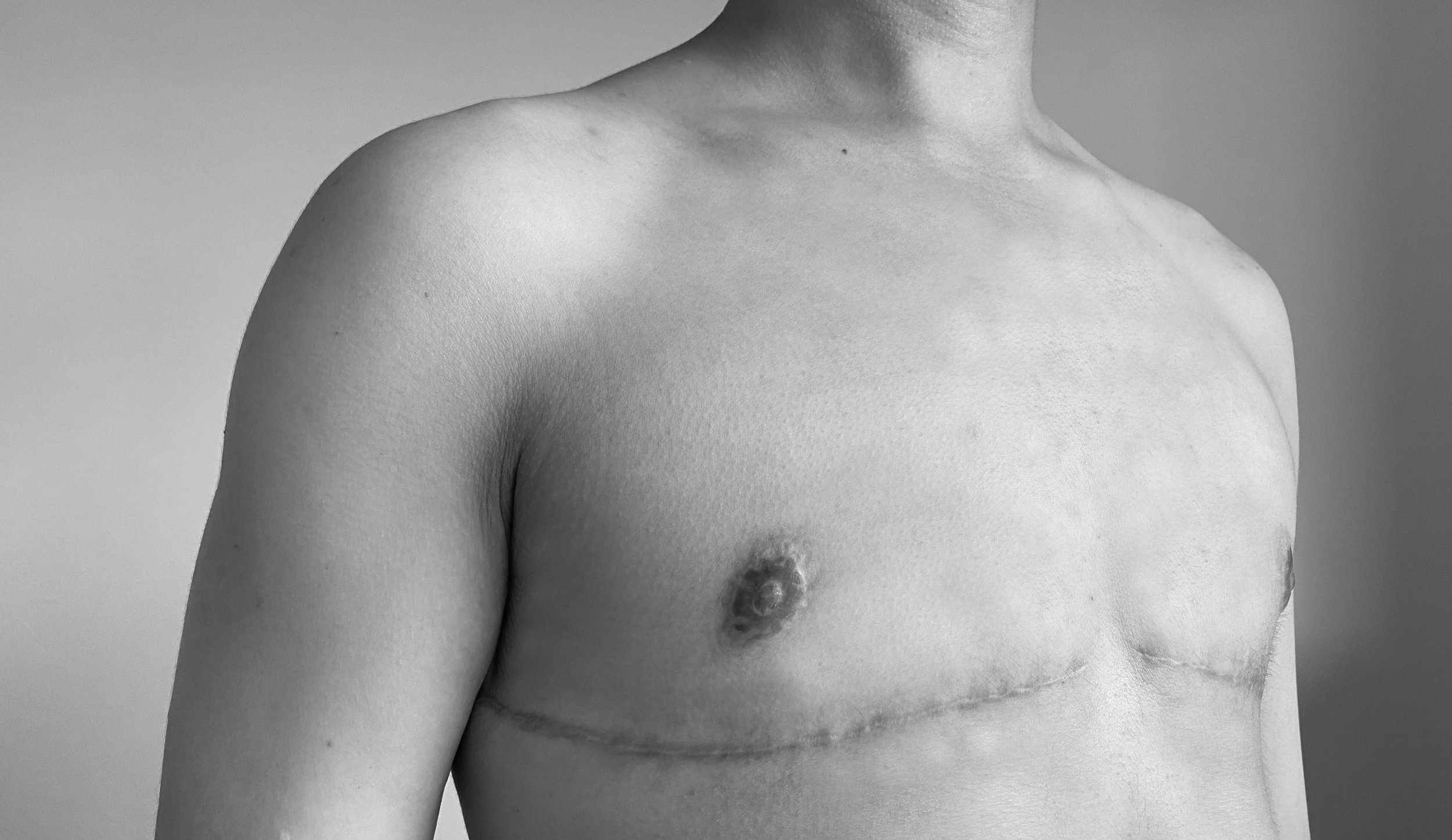
Top surgery can be a life-affirming step, but the physical recovery is not always clearly explained. Many people are surprised by chest tightness, scar sensitivity, upper back stiffness, or limited shoulder movement, yet these concerns are not always addressed during routine post-operative care.
Physical therapy can play an important role both before and after top surgery by optimizing healing, restoring movement, and supporting long-term chest, shoulder, and upper body health. This blog post explains what recovery after top surgery involves, how physical therapy helps, and what you can do to support your body before and after surgery.
Recovery After Top Surgery
Healing after top surgery is not just about incision care. Surgery affects the skin, connective tissue, muscles, nerves, and breathing mechanics. The body also adapts by changing posture and movement patterns to protect healing tissue.
After surgery, it’s common for people to move less through the shoulders and chest due to pain, healing incisions, or guarded movement. Some people hold themselves slightly forward in a protective posture or avoid reaching overhead. If these protective patterns persist, they may contribute to stiffness, discomfort, or pain over time. Supporting safe, progressive movement after surgery helps improve outcomes and reduce the risk of long-term issues.
Everyone’s recovery timeline is different. Factors such as surgical technique, individual healing response, prior chest binding, posture before surgery, and activity level all influence how the body recovers.
Prehabilitation Before Top Surgery: Preparing the Body for Recovery
Physical therapy does not have to start after surgery. Prehabilitation, or prehab, focuses on preparing the body before surgery to support smoother recovery afterward.
Before top surgery, physical therapy may focus on improving posture, mobility, and upper body strength. Many people benefit from increased shoulder range of motion, thoracic spine mobility, and upper back strength prior to surgery. Prehab may also include breathing exercises to improve rib mobility and breathing mechanics, especially for individuals who have used chest binding.
Building baseline strength in the shoulders, upper back, and core can make it easier to return to daily activities after surgery. These interventions help the body better tolerate post-operative movement restrictions and reduce stiffness during recovery.
Scar Care After Top Surgery
Scar care is an important part of recovery after top surgery, yet it is often overlooked. Scar tissue forms as a normal part of healing, but scars can become tight, sensitive, or restrictive if they are not gently mobilized over time. Scar care focuses on mobility and desensitization, not just appearance. A scar can look healed on the surface but still limit movement underneath or contribute to tightness and pain.
Scar desensitization helps the nervous system become more comfortable with touch in the surgical area. This may involve gently introducing different textures along the scar, such as cotton balls, soft fabric, and eventually a washcloth, to improve tolerance to touch.
Scar mobility techniques help the skin and underlying tissue glide more freely. This typically begins after the incisions are fully closed and cleared by the surgical team. A physical therapist can guide safe timing and techniques based on individual healing.
Silicone gel can also be helpful for scar healing once incisions are fully closed and approved by the surgeon. Silicone gel may improve scar pliability and appearance, supporting overall healing. Ready for silicone gel or scar sheets? Check out some of my top recommendations that I’ve used myself and recommend for my patients.
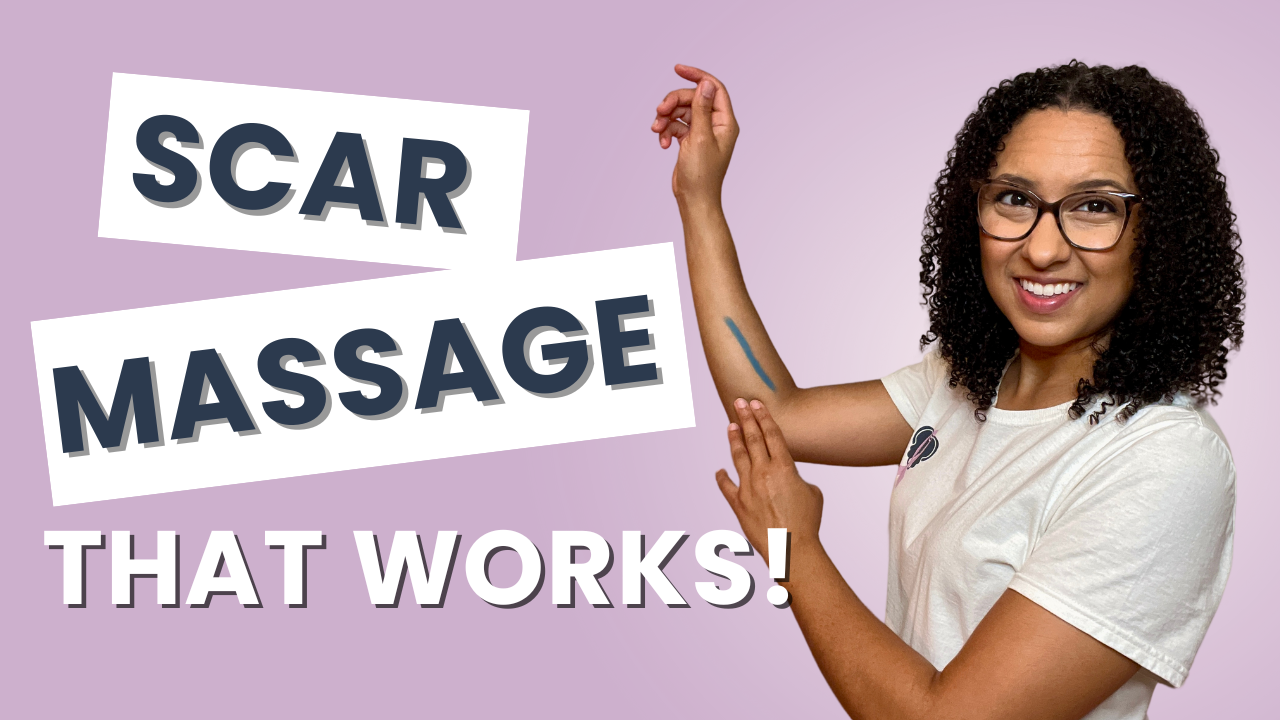
To learn more about scar massage and desensitization after surgery, watch my YouTube video on scar massage after surgery.
Shoulder, Chest, and Upper Back Mobility After Top Surgery
Limited shoulder and chest mobility are common after top surgery. People may notice difficulty lifting their arms overhead, reaching behind their back, or stretching through the chest. Upper back stiffness can also develop when movement is limited.
Physical therapy focuses on gradually restoring movement while respecting healing tissue. Mobility work may include gentle stretching, guided arm movements, and exercises that improve coordination between the shoulders and upper back. Mobility work is not about forcing movement, but about gradually reintroducing motion as healing allows.
Posture and Breathing After Top Surgery
Posture often changes after top surgery. Some people round their shoulders forward or limit chest expansion without realizing it, often due to pain, protective movement patterns, and habits formed before surgery. Breathing patterns may also change. Shallow breathing or limited rib movement, which are common after top surgery, can increase muscular tightness and lead to more dysfunction.
Physical therapy addresses posture and breathing together. Improving rib mobility, posture awareness, upper back strength, and breathing mechanics helps reduce tension, improve posture, and support comfortable daily movement.
When to Consider Physical Therapy
Physical therapy may be recommended by your surgeon before surgery or included as part of post-operative care. If it is not mentioned, you can ask whether physical therapy would be beneficial for you.
Physical therapy may be helpful if you had posture changes or upper body discomfort before surgery. After surgery, physical therapy can support recovery if you notice ongoing tightness, limited movement, scar discomfort, posture changes, or uncertainty about returning to activity. Physical therapy can be helpful early in recovery or even months to years after surgery.
Not all physical therapists have specialty training in top surgery rehabilitation. It can be helpful to speak with the provider before your first visit to confirm their experience. If in-person care is not available, telehealth physical therapy may also be an option, particularly for education, posture work, breathing, and guided mobility exercises.
Ready to work with a physical therapist? Find one near you by using the American Physical Therapy Association Find a PT Directory.
Personalized, Inclusive Care Throughout Your Journey
Recovery after top surgery is not just about healing from a procedure. It is about supporting your body throughout your transitioning journey, wherever you are.
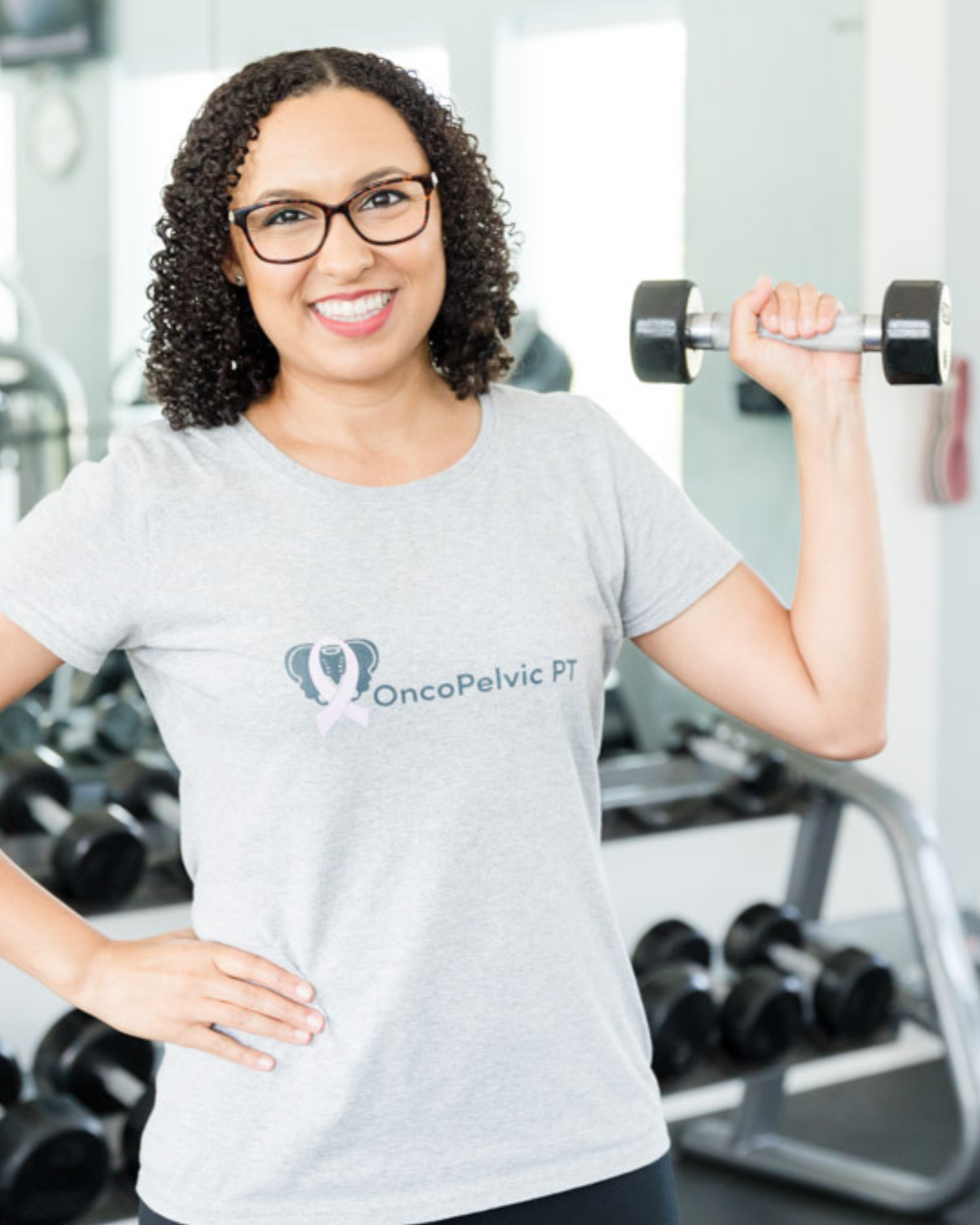
At OncoPelvic PT in Jacksonville, FL, Dr. Alex Hill, PT, DPT, OnCS, PWCS, CLT-LANA provides personalized, evidence-informed care through virtual and in-clinic visits. Care is inclusive, affirming, and focused on supporting comfort, movement, and long-term health.
If you are preparing for top surgery, recovering from surgery, or noticing lingering discomfort or restriction, you do not have to navigate it alone.
Want to work with Dr. Alex? Book a physical therapy session to receive individualized support tailored to your goals. Don’t live in Florida? Dr. Alex is also licensed for telehealth physical therapy in Maryland, North Carolina, and Texas.
Learn more about services and book your visit: https://www.oncopelvicpt.com/services
