
Get Your Sex Life Back After Gynecologic Cancer Treatment
I only recommend products I have used or would use myself and all opinions expressed here are my own. This post contains certain affiliate links or discount codes that at no additional cost to you, I may earn a small commission to support the OncoPelvic PT mission. As an Amazon Affiliate I earn from qualifying purchases.
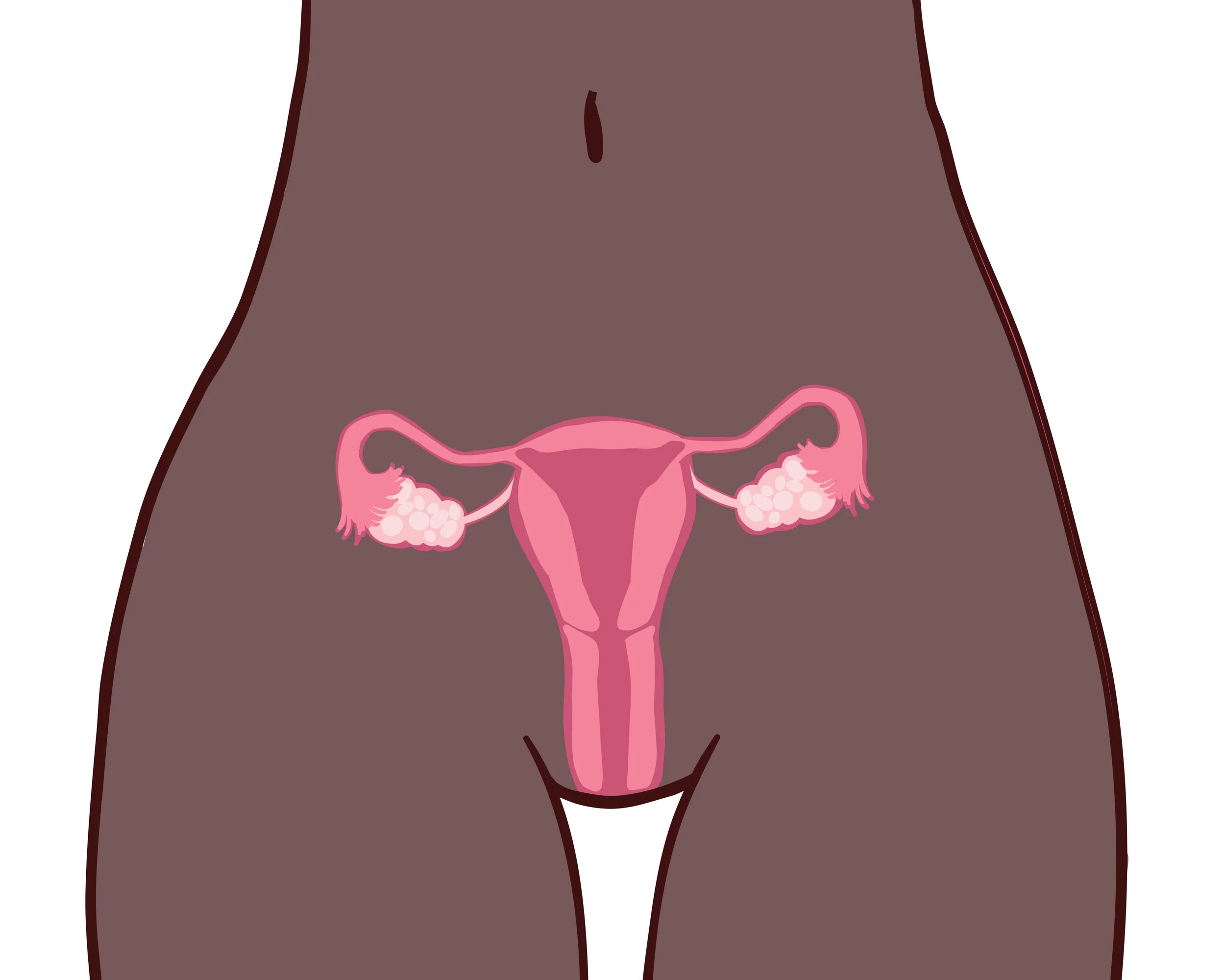
Gynecologic cancers (cervical, uterine, ovarian, vaginal, and vulvar cancer) are commonly treated with a combination of surgery, chemotherapy, and/or radiation.
Treatment side effects like scar tissue, radiation fibrosis, genitourinary syndrome of menopause, and lymphedema can negatively impact your sex life. However, working with specially trained physical therapists can help you return to more comfortable and pleasurable sexual activity.
Scar tissue and radiation fibrosis
Scar tissue from surgery, as well as radiation fibrosis from radiation therapy, can cause limited tissue mobility and pain, including pain with penetrative intercourse. If the normal, healthy tissues are replaced with inflexible scarred tissue, then they won’t be able to accommodate something being inserted which can cause pain.
Working with a pelvic health physical therapist can be very helpful to address pain related to scar tissue and radiation fibrosis. The pelvic health physical therapist can perform manual therapy techniques including scar and fibrosis massage and instruct you how to complete them at home. Additionally, you may benefit from using trainers (also called dilators) or a pelvic wand to help improve the flexibility of scar tissue and decrease pain, which your pelvic health physical therapist can instruct you in. Learn more about trainers in the blog post, “Dilators: What Are They and How Do You Use Them?” Other exercises, like stretches and pelvic floor muscle exercises, may be recommended as well for a comprehensive program.
Genitourinary Syndrome of Menopause (GSM)
Treatment that includes surgical removal of the ovaries, chemotherapy or radiation damage to the ovaries, or medications used specifically for inducing menopause, can lead to development of genitourinary syndrome of menopause (GSM). This is a group of symptoms experienced due to the decreased estrogen effects on the vulvar and vaginal tissues as well as the bladder and urethra.
Symptoms of GSM typically progress and may include vulvar and vaginal dryness, burning, irritation, pain with vaginal intercourse, and bladder symptoms including urgency, painful urination, and recurrent urinary tract infections (UTIs).
Some ways that you can decrease your discomfort with sexual activity include:
Use lubricant to decrease friction and pain. Some lubricants I like are Slippery Stuff, Aloe Cadabra, and Überlube
Spend more time on foreplay! This increases your arousal, helps stimulate natural lubrication, and stimulates lengthening of the vaginal canal to accommodate for penetration
Use a vaginal moisturizer like coconut oil, vitamin E oil, or Replens 3-5 times per week
Soft silicone dilators like the ones from Intimate Rose and Soul Source can help retrain the tissues and decrease pain
Lymphedema
Up to 70% of gynecologic cancer survivors develop lymphedema after cancer treatment, depending on the type of cancer. Lymphedema, which is the accumulation of lymphatic fluid, will typically occur in one or both legs, the lower abdomen, and/or the pelvic region (including internally) among gynecologic cancer survivors. This swelling can cause pain, difficulty using your legs, and difficulty with sexual activity - especially if the swelling is in the lower abdomen, pelvis, and upper thigh areas.
A specially trained Certified Lymphedema Therapist (CLT) can assess and treat your lymphedema. Treatment for lymphedema involves a process called Complete Decongestive Therapy (CDT), which includes exercise, skincare, manual lymphatic drainage, and compression. To learn more about CDT and what to expect when working with a CLT, check out the blog post, “What You Need to Know About Treating Your Lymphedema”. Until you see a CLT, you can start with the following:
Diaphragmatic breathing: Lying on your back or sitting in a comfortable position, take a deep breath in through the nose and exhale slowly through the mouth. As you breathe in, feel the air fill your abdomen and your chest. Repeat this breathing pattern several times per day to help stimulate the lymphatic system.
Gentle movement: This can including walking, a stationary bike, elliptical, or swimming. The muscle pumping from these movements can help reduce swelling by stimulating the lymphatic system. Always check with your medical provider before starting an exercise program.
Compression: If you have swelling in the lower abdomen, pelvis, or upper thigh areas, try compression shorts like bike shorts or Spanx, which can provide support and encourage a reduction in swelling. If your swelling involves the whole leg and abdominal or pelvic areas, you may benefit from medical grade compression stockings or pantyhose. A CLT can help you determine what you need.
Don’t forget about your mental health!
If you find that you also need to work on your mental health, not just physical health, after gynecologic cancer treatment, consider working with a sex therapist. These are licensed mental health professionals who specialize in working with people who have sexual concerns. For more information about sex therapy and to find one near you, check out the American Association of Sexuality Educators, Counselors, and Therapists (AASECT)
As you can see, there are some side effects from gynecologic cancer treatment that can put a damper on your sex life. If you’re already experiencing some of these symptoms, no need to keep suffering! And if you are preparing for your gynecologic cancer treatment, be proactive with seeking treatment if you have any of these symptoms so you can get treatment sooner rather than later. You beat cancer, shouldn’t you enjoy pain-free intimacy?
