
Four Ways to Improve Your Pelvic Health This Year

New year, new…pelvic health habits?
Most people don’t even know about their pelvic floor until they have issues. Pelvic health problems might show up as pelvic pain, urinary incontinence (leakage), constipation, or pelvic organ prolapse. So how can you make sure you maintain your pelvic health this year? Keep reading to find out! (P.S. If you want to learn more about pelvic health conditions, check out my Pelvic Health Blog Posts).
1. Stay hydrated
So how much water should you be drinking in a day? Well, studies that have looked at the optimal amount of water people should be drinking are inconclusive partly because everyone is different. Activity levels, medical conditions, diet, and geographical location are all factors that can impact how much water you need.
If you’re only drinking when you’re thirsty, you’re already dehydrated!
Try sipping water throughout the day instead of gulping a lot down at once. Sipping helps the body use the water more effectively and also helps decrease the risk of you having to rush to the bathroom.
Aim for 2-3 liters (67-101 ounces) of water per day. If you’re feeling water-logged, decrease the water until you feel comfortable.
The color of your pee should be like light lemonade. If it’s super dark yellow, then you’re likely dehydrated. If it’s completely clear, you may be getting too much water.
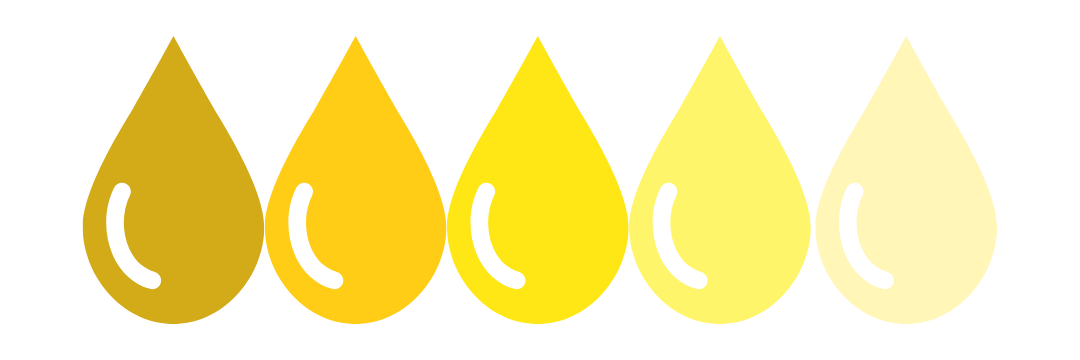
The color of your pee should be like light lemonade. If it’s super dark yellow, then you’re likely dehydrated. If it’s completely clear, you may be getting too much water.
2. Avoid constipation
Constipation is when you have to strain for bowel movements (pooping), have hard lumpy stools, don’t feel empty after bowel movements, feel like there’s a blockage at the anus, or have less than three bowel movements per week. If you have at least two of these often, get started on a good bowel program!
Aim for 25-35 grams of fiber per day. The University of Michigan has a great fiber chart to check how much you’re getting in your day.
Drink plenty of water. The tips I mentioned above for staying hydrated will help with constipation.
Stay active. Being physically active most days will help keep the gut moving.
Try a Squatty Potty or step stool. If you don’t have room for a Squatty Potty or step stool in your bathroom, or if you’re out in public, lean forward comfortably resting your forearms on your thighs.
3. Avoid straining
Straining puts a lot of pressure on the pelvic floor. It can cause issues like pain, worsen constipation, and contribute to pelvic organ prolapse and incontinence (leakage). If you are straining for bowel movements or holding your breath as you exercise, stop! Breathe through these activities and decrease the pressure on your pelvic floor.
4. Work on your pelvic floor
You may have noticed I did not say, “do Kegel exercises.” That’s because not everyone needs Kegels! For example, if you have pelvic pain or constipation, you likely need to work on relaxing the pelvic floor. That’s in contrast to someone with incontinence and pelvic organ prolapse who does need to strengthen the pelvic floor muscles. Learn more about Kegels and incontinence in my blog post, “Why Kegels Aren’t Always the Answer to Incontinence.”
Ways to work on your pelvic floor muscles that are not Kegels include squats, lunges, bridges, and balance exercises. These are my go-to initial exercises for most people.
If these tips seem overwhelming, pick one thing to work on at a time and slowly build up good pelvic health habits. Bonus points for your pelvic health: if you’re having any issues, work with a pelvic health physical therapist. You can find one near you through the APTA Academy of Pelvic Health or ABPTS Board-Certified Specialists.
