
Pelvic Health Physical Therapy Treatment for Endometriosis
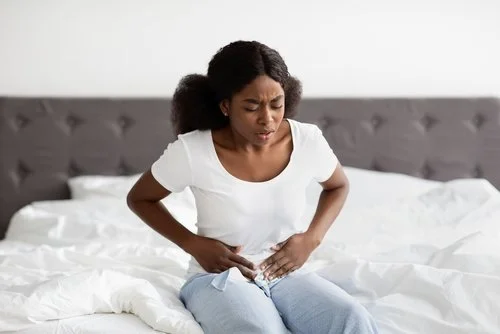
In 66% of people with endometriosis, the first symptoms of the disease appear before the age of 20.
However, due to the difficulty in diagnosing endometriosis, it takes an average of 8 years to actually get diagnosed.

Endometriosis is characterized by the presence of endometrium-like tissue outside the uterus, usually associated with an inflammatory process. Globally, 10% of people with a uterus have endometriosis, primarily affecting people of reproductive age.
People living with endometriosis can experience a wide range of symptoms, which can contribute to a delayed diagnosis. Symptoms people may experience include:
Chronic pelvic pain
Dysmenorrhea (painful periods)
Infertility
Dyspareunia (painful intercourse)
Dysuria (pain with urinating)
Dyschezia (Difficulty with bowel movements)
Fatigue
Severe abdominal bloating (often called “Endo belly”)
How is endometriosis diagnosed?
Because the symptoms are so varied among people, a thorough examination is needed for proper diagnosis. This includes a good medical history, physical and pelvic examination, and additional diagnostic tests. A laparoscopic surgery is the only way to definitively diagnose endometriosis.
How is endometriosis treated?
Although endometriosis cannot be definitively cured, treatments focus on reducing symptoms to improve your quality of life and minimize symptoms.
Medications and Surgery
Treatment for endometriosis most often involves medications and surgical intervention. Medications are used to decrease pain and manage hormones. Surgery is typically only used if all other options have not helped, and if your symptoms are very severe. The endometriosis lesions and affected tissues will be removed in surgery.
Pelvic Health Physical Therapy
80% of people with endometriosis experience chronic pelvic pain and pelvic floor dysfunction. When the pelvic floor muscles aren’t working as they should, this is called pelvic floor dysfunction. It can contribute to symptoms like pain with intercourse and urinating, as well as chronic pelvic pain. A pelvic health physical therapist can address symptoms (including before and after endometriosis surgery), focusing on breaking the pain cycle caused by endometriosis.
Pelvic health physical therapy sessions are one-on-one in a private room. Your physical therapist will ask you questions about your symptoms and goals, then perform a physical exam. They will assess your posture, strength, flexibility, tissue health, and abdomen and pelvis. A pelvic exam is typically indicated for people with endometriosis; this allows your physical therapist to properly assess your pelvic floor muscles. To learn more about what to expect in pelvic health physical therapy, read the blog post, “Pelvic Health Physical Therapy 101”.
Common physical therapy treatments include:
Exercises to improve mobility restrictions from endometriosis lesions and muscle tension
Pelvic floor muscle training – the aim is to relax the pelvic floor to become less overactive
Hands-on manual therapy – this can be performed externally at the abdomen and pelvic regions and internally at the pelvic floor muscles
Instruction in a progressive physical activity program to decrease inflammatory response and improve function
Education on general nutrition, bladder and bowel health, ways to decrease pain with intercourse, and how to calm down the nervous system.
Exercises to decrease endometriosis pain
Exercises can be very helpful in decreasing pain and improving mobility. You should not have any increased pain with exercises designed to address your endometriosis, and you always want to check with a healthcare provider first before starting any new exercise routine.
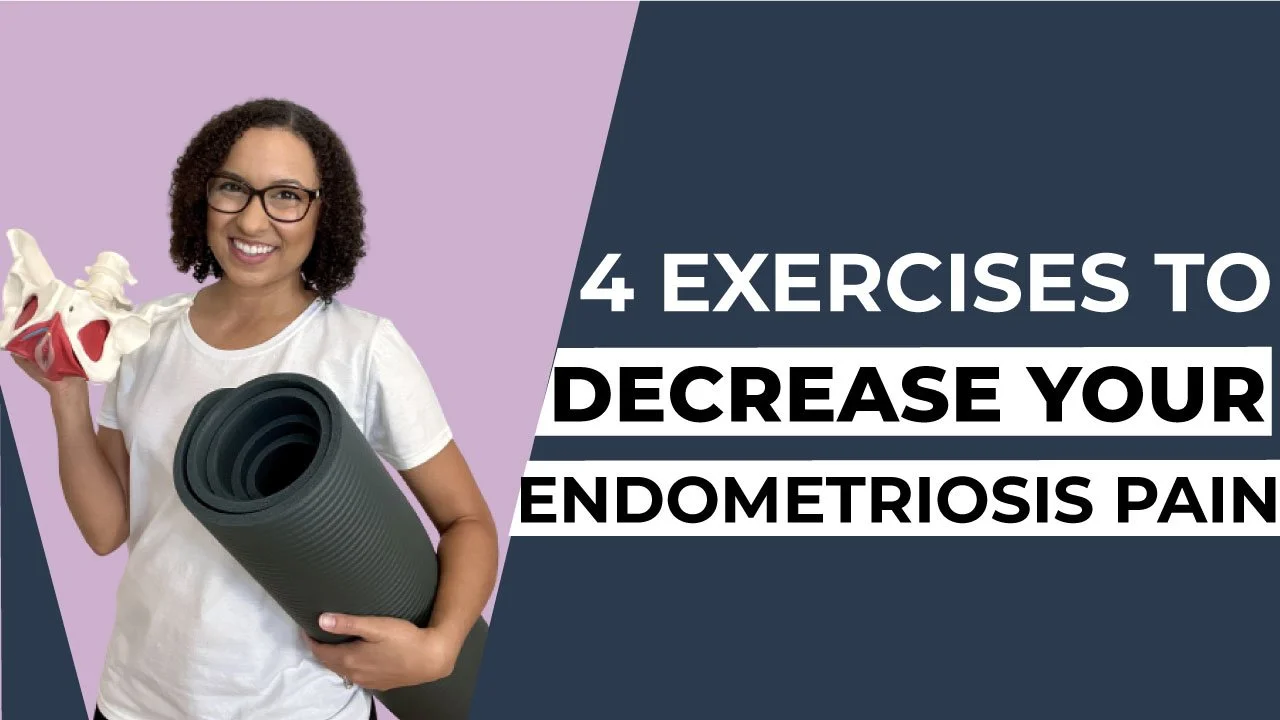
If you’re looking for a gentle exercise routine to start managing your endometriosis pain, watch my YouTube video where I guide you through 4 gentle movements to help decrease your pain.
Dietary strategies to manage endometriosis
Eat lots of green vegetables and fresh fruits. They have antioxidants and are high in fiber. Aim for 25-35 grams of fiber per day.
Increase foods with Omega-3 which can help fight inflammation. These include fatty fish (salmon, sardines, tuna), nuts and seeds, and plant oils (flaxseed, canola)
Some foods can possibly worsen endometriosis pain by increasing inflammation or estrogen levels. Limit or avoid: alcohol, caffeine, fatty meat, processed foods, and sugary drinks (aim for less than 26 grams of sugar each day).
If you have endometriosis, it’s important that you work with knowledgable health care providers since proper management involves multiple interventions. You can find additional resources through Endometriosis Association and Endometriosis Foundation of America,.
References
https://www.endofound.org
Artacho-Cordón F, Salinas-Asensio MDM, Galiano-Castillo N, Ocón-Hernández O, Peinado FM, Mundo-López A, Lozano-Lozano M, Álvarez-Salvago F, Arroyo-Morales M, Fernández-Lao C, Cantarero-Villanueva I. Effect of a Multimodal Supervised Therapeutic Exercise Program on Quality of Life, Pain, and Lumbopelvic Impairments in Women With Endometriosis Unresponsive to Conventional Therapy: A Randomized Controlled Trial. Arch Phys Med Rehabil. 2023 Nov;104(11):1785-1795. doi: 10.1016/j.apmr.2023.06.020. Epub 2023 Jul 17. PMID: 37467936.
Smolarz B, Szyłło K, Romanowicz H. Endometriosis: Epidemiology, Classification, Pathogenesis, Treatment and Genetics (Review of Literature). Int J Mol Sci. 2021;22(19):10554. Published 2021 Sep 29. doi:10.3390/ijms221910554
Vannuccini S, Clemenza S, Rossi M, Petraglia F. Hormonal treatments for endometriosis: The endocrine background. Rev Endocr Metab Disord. 2022 Jun;23(3):333-355. doi: 10.1007/s11154-021-09666-w. Epub 2021 Aug 17. PMID: 34405378; PMCID: PMC9156507.
Updated March 4. 2024
