
How to Empty Your Bladder Completely
Have you ever felt like you didn't empty your bladder, so you go back and can urinate quite a bit more? If this happens a lot, you're not alone! In this blog post, you'll learn common reasons you may not be emptying your bladder, plus five tips to help you get more urine out without straining.
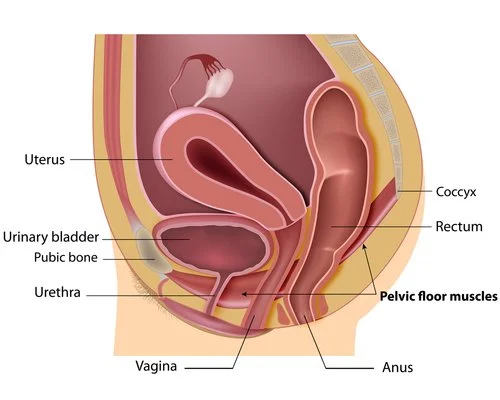
Normally, when the bladder is full, a signal is sent to your brain that it's time to go to the bathroom. The bladder then contracts, and the sphincters and pelvic floor muscles relax to allow the urine to leave the bladder.
But sometimes, people have a hard time emptying their bladder. You may have the sensation that you still have urine in the bladder and feel the urge to go again. If you're frequently not emptying your bladder fully, and this has been going on for a long time, issues can arise besides it just being a nuisance to keep going back to the bathroom. Chronic incomplete emptying may lead to issues like urine dribble, incontinence, urinary frequency, and overstretching your bladder (which then makes it even harder to empty), among other concerns. You can also have an increased risk of UTIs if you're not emptying most of the urine.
It's important to note that you don't have to empty your bladder completely. Most bladders hold 400-600 mL of urine, and it's normal to have up to 100 mL left in the bladder after you go to the bathroom.
Common reasons you're having a hard time emptying your bladder:
Non-relaxing pelvic floor muscles
If your pelvic floor muscles are not fully relaxing or are not coordinated properly with your bladder and urethra, then it can be difficult to empty the bladder fully. This means that urine can be left behind, leading to that lingering sensation of needing to go to the bathroom.
Pelvic Organ Prolapse
Another reason you might not be completely emptying is if you have a prolapse. A pelvic organ prolapse is when the bladder, uterus, and/or the rectum start to drop down into the vaginal walls. If the bladder is dropping down, the position can make it difficult to empty entirely.

You're rushing
For the bladder to empty completely, the bladder muscle contracts, and the sphincters and pelvic floor muscles relax to allow the urine to come out of the urethra. If you're a power pee-er, and you're just pushing and rushing to get done and be on your way, this can also cause you to not completely empty or feel like you still need to empty.
Additionally, there are many underlying medical conditions and medications that can make it difficult to empty your bladder. If you're having difficulty peeing, talk to your medical provider.
To help you empty your bladder better, try these techniques:
Don't hover
Always sit on the toilet. Don't hover, and yes, that means even on public toilets. If you hover, your pelvic floor muscles are turned on and can't relax to let you empty your bladder. Many people in this situation will push to pee, which is not good for the bladder or pelvic floor. So use a seat protector or toilet paper, and sit on the toilet!
Calm down
Once you're sitting on the toilet, relax your body, especially your pelvic muscles, and allow plenty of time to void without rushing. If you have difficulty relaxing, especially in public bathrooms, try listening to water sounds in headphones and performing deep breathing.
Change how you're sitting on the toilet
Sometimes, leaning slightly forward can help empty your bladder. You can also try gently rocking back and forth to help empty, especially if you have a prolapse. Double voiding can also be helpful; once you finish peeing, stand up, shift your body, and sit back down to finish emptying.
Time your bathroom trips
Another helpful technique is timed voiding. Try scheduling regular bathroom breaks, about every 2-4 hours. This can help retrain your bladder to empty more completely and reduce the sensation of urgency.
Stay hydrated
Drink water throughout the day to ensure you stay hydrated and the bladder is filling appropriately. You want to avoid drinking a lot of water all at once because that can cause urgency for a lot of people. Some sources say to drink half of your body weight in ounces of water daily, but you can start out with aiming for about 60-80 ounces of water daily and make sure your pee is a light yellow. If your pee is a darker yellow, you're likely not getting enough water.
If you consistently experience issues with incomplete voiding or have concerns about your bladder health, it's essential to consult a healthcare professional. They can provide personalized advice and rule out any underlying medical conditions.
Remember, achieving a complete bladder emptying experience may take time and practice. By incorporating these tips into your routine, you can promote better bladder health and help eliminate that lingering sensation of needing to go back to finish emptying your bladder.
